
How Contractors Can Keep Construction Materials Secure at Busy Job Sites
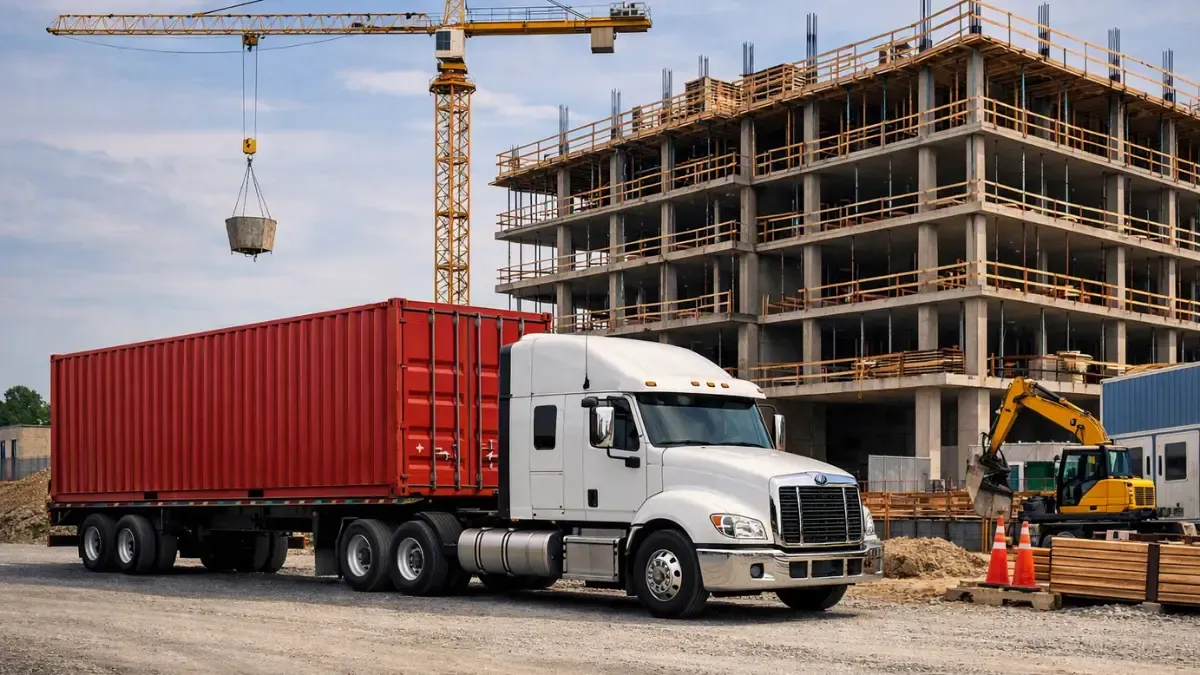
onstruction sites can become crowded quickly. Tools, equipment, building materials, and supplies often arrive at different stages of a project.
Without proper storage, these materials can become exposed to weather, misplaced, damaged, or difficult to organize. Therefore, contractors need reliable construction material storage solutions throughout the project.
A well-organized storage plan can protect valuable supplies while keeping the job site more efficient. In addition, secure storage can reduce unnecessary material handling and help workers find supplies faster.
For contractors in New Jersey, job site storage containers can provide a practical solution when projects need additional secure storage space.
Why Construction Material Storage Matters
Construction materials represent a significant portion of a project's investment. Lumber, tools, fixtures, equipment, and other supplies can become costly to replace when they are damaged or lost.
Proper storage can help contractors:
- Protect materials: Keeping supplies inside a dedicated storage area can reduce exposure to rain, snow, dirt, and other job site conditions.
- Improve organization: A designated storage location helps workers find materials more quickly instead of searching across a busy construction site.
- Reduce damage: Properly stored materials are less likely to be stepped on, struck by equipment, or damaged during daily site activity.
- Improve security: Lockable storage can provide an additional barrier against unauthorized access to valuable materials and equipment.
- Save workspace: Moving supplies into containers can free valuable areas needed for construction activities, equipment, and worker movement.
A good storage strategy should be part of the construction plan rather than an afterthought.
Use Job Site Storage Containers for Better Organization
Job Site Storage Containers can provide contractors with dedicated space for materials, tools, and equipment.
Instead of leaving supplies scattered around the project, contractors can organize materials inside a secure container.
These containers can be particularly useful for:
- Construction tools and equipment that workers need regularly throughout the project.
- Building materials that must remain accessible but should not sit directly on the job site.
- Supplies that need protection from changing weather conditions.
- Equipment that requires a designated storage area between work shifts.
- Materials that could create clutter when stored throughout active construction areas.
Keeping materials in one controlled location can make a busy job site easier to manage.
Choose Weather-Resistant Storage for Construction Materials
Weather can create serious problems for construction materials.
Rain, snow, humidity, wind, and temperature changes can affect materials before they are installed. Therefore, contractors should consider Weather-Resistant Storage when planning job site logistics.
Weather-resistant storage can help protect supplies from:
- Rain and water exposure that can damage moisture-sensitive materials.
- Snow and ice that can create difficult storage and handling conditions.
- Wind that can move loose materials around an active job site.
- Dirt and dust that can affect finished materials and equipment.
- Changing temperatures that may affect certain products and supplies.
However, contractors should still follow manufacturer storage requirements for individual materials.
Keep Valuable Tools and Equipment Secure
Construction sites often contain expensive tools and equipment. Leaving these items in open areas can increase the risk of damage, loss, or unauthorized access.
A secure storage container can provide a designated location for equipment when it is not being used.
Contractors should:
- Keep expensive tools inside secure storage whenever possible.
- Maintain an organized inventory of stored equipment.
- Limit access to authorized workers.
- Keep storage areas properly locked when unattended.
- Check stored equipment regularly for damage or maintenance needs.
These simple practices can make storage more controlled and easier to manage.
Store Materials According to Their Requirements
Not every construction material should be stored in the same way. Contractors should consider the manufacturer's recommendations before placing materials inside a storage container.
For example, materials may have different requirements related to:
- Moisture exposure.
- Temperature.
- Ventilation.
- Weight distribution.
- Stacking height.
- Direct sunlight.
- Handling requirements.
Following proper storage guidelines can help maintain material quality until installation.
Organize Materials Inside Storage Containers
Simply placing everything inside a container does not create an efficient storage system. Contractors should organize materials based on how frequently workers need them.
A practical arrangement can include:
- Frequently used tools near the entrance for quick access.
- Heavy materials placed securely on the floor.
- Fragile supplies positioned where they are less likely to be damaged.
- Smaller components stored in labeled containers.
- Materials grouped according to construction phases.
- A clear pathway maintained throughout the storage area.
Good organization can reduce unnecessary searching and make material retrieval more efficient.
Avoid Overloading Storage Containers
Storage containers provide substantial space, but contractors should avoid overloading them. Excessive weight or poorly distributed materials can make storage unsafe and difficult to manage.
Before loading a container:
- Understand the container's weight capacity and limitations.
- Distribute heavy materials evenly across the available space.
- Avoid unstable stacks that could shift during handling.
- Keep entrances and pathways clear.
- Place heavier materials where they can be safely handled.
- Maintain sufficient room for workers to access stored items.
A well-organized container is generally more useful than one packed beyond practical capacity.
Create a Material Inventory System
An inventory system can help contractors keep track of what enters and leaves storage. This becomes especially important on larger projects where multiple crews use the same supplies.
Contractors can record:
- Material names and quantities.
- Delivery dates.
- Storage locations.
- Materials assigned to specific project phases.
- Items removed from storage.
- Remaining inventory.
- Damaged or missing materials.
Digital inventory tools can make tracking easier, especially when multiple people need access to current information.
Keep Storage Away From High-Traffic Areas
Storage placement can affect both security and job site efficiency. Containers should be positioned where they remain accessible without interfering with construction operations.
When planning placement, consider:
- Vehicle access.
- Delivery routes.
- Worker walkways.
- Heavy equipment movement.
- Emergency access.
- Drainage conditions.
- Visibility and site security.
A container placed in the wrong location can create unnecessary obstacles. Therefore, contractors should plan its position before delivery.
Consider Storage Container Rental for Temporary Projects
Contractors do not always need permanent storage equipment.
For temporary construction projects, Storage Container Rental can provide flexible storage without requiring a long-term purchase.
Rental storage can be useful when:
- A project lasts several months.
- Material quantities change throughout construction.
- The job site lacks sufficient storage space.
- Contractors need additional storage during specific construction phases.
- Businesses want to avoid purchasing containers for short-term requirements.
Rental solutions allow contractors to adjust storage according to project demands.
Use Storage Containers During Different Construction Phases
Material storage requirements can change as construction progresses. During the early stages, contractors may need space for tools, framing materials, and general supplies. Later, projects may require storage for fixtures, finishes, equipment, and installation materials.
Therefore, contractors should regularly review:
- Current material quantities.
- Upcoming deliveries.
- Storage capacity.
- Materials that are no longer required.
- Construction phases approaching completion.
- New materials that need protected storage.
Adjusting storage plans can help prevent unnecessary clutter.
Protect Materials During Deliveries
Material security does not end after a delivery truck leaves. Contractors should inspect deliveries before moving materials into storage.
A useful process includes:
- Checking quantities against delivery documentation.
- Inspecting materials for visible damage.
- Recording missing or damaged items.
- Moving sensitive materials into appropriate storage quickly.
- Updating inventory records after delivery.
- Organizing new materials according to upcoming project requirements.
This approach can help contractors identify delivery issues before materials are installed.
Keep the Construction Site Clean and Organized
A clean job site is easier to manage. When construction materials are scattered across the property, workers may spend additional time searching for supplies or moving items out of work areas. Using dedicated construction material storage can help contractors maintain cleaner working areas.
Contractors should regularly:
- Remove unnecessary packaging and debris.
- Return unused tools to secure storage.
- Organize materials after deliveries.
- Separate damaged materials from usable supplies.
- Keep pathways free from stored equipment.
- Review storage areas throughout the project.
Consistent organization can improve both efficiency and site safety.
Consider Specialized Storage for Sensitive Materials
Some construction materials may require more controlled conditions. For temperature-sensitive or moisture-sensitive products, contractors may need specialized solutions.
Temperature-controlled storage can be useful for materials or products that have specific environmental requirements. Contractors should always review product specifications before selecting storage conditions. If materials require controlled temperature, humidity, ventilation, or other conditions, standard storage may not be sufficient.
Choose a Reliable Storage Container Company
Selecting the right storage container company can make construction storage easier to manage.
Contractors should evaluate:
- Container condition and cleanliness.
- Available sizes and configurations.
- Delivery and pickup options.
- Rental terms and flexibility.
- Security features.
- Weather protection.
- Placement requirements.
- Customer service and project support.
The right provider should be able to match storage options with the specific needs of the construction project.
How RTM Trucking Supports Construction Storage Needs
RTM Trucking provides storage and transportation solutions that can help businesses manage changing storage requirements.
Contractors can consider storage containers when they need additional space for construction materials, tools, and equipment. A flexible storage solution can help contractors keep valuable materials organized while maintaining more usable space around active construction areas.
For New Jersey construction projects, professional storage support can make it easier to coordinate material deliveries, storage, and job site logistics.
Need secure space for construction materials? Call RTM Trucking at 📞973-442-1577 to discuss storage container solutions for your New Jersey job site.
Conslusion
Keeping construction materials secure requires planning, organization, and the right storage solution. Construction material storage can help contractors protect supplies while keeping busy job sites cleaner and easier to manage.
Job site storage containers can provide practical space for tools, equipment, and building materials. Meanwhile, weather-resistant storage can help protect suitable materials from common outdoor conditions.
For temporary projects, Storage Container Rental can provide additional capacity without requiring contractors to purchase permanent storage equipment. Before selecting a solution, consider material requirements, project duration, container size, security, accessibility, and job site conditions.
For New Jersey contractors, choosing a reliable storage provider can make material management easier from the first delivery through project completion.
Frequently Asked Questions
1. What is Construction Material Storage?
Construction material storage involves keeping building supplies, tools, equipment, and other project materials organized, protected, and accessible during construction.
2. Why are job site storage containers useful?
Job site storage containers provide dedicated space for materials and equipment while helping contractors reduce clutter and protect supplies from weather and unauthorized access.
3. Can storage containers protect construction materials from weather?
Yes. Properly maintained containers can provide protection from rain, snow, wind, dirt, and other outdoor conditions, depending on the materials being stored.
4. What should contractors consider when choosing weather-resistant storage?
Contractors should consider material sensitivity, container condition, moisture protection, ventilation requirements, project duration, and local weather conditions.
5. Is storage container rental suitable for construction projects?
Yes. Rental containers can provide flexible storage for temporary projects, changing inventory levels, renovations, and construction sites with limited permanent storage.
6. How should materials be organized inside a storage container?
Materials should be grouped by use, project phase, and handling requirements while keeping heavy items stable and access pathways clear.
7. Can contractors store tools and equipment in job site containers?
Yes. Containers can provide a dedicated location for tools and equipment when they are properly secured and organized.
8. How can contractors improve material security?
Contractors can improve security by using lockable storage, controlling access, maintaining inventory records, and keeping valuable materials in designated secure areas.