
How Secure Are Rented Storage Containers? Locks, Alarms & Site Safety
Handing over expensive inventory, tools, or equipment to sit in a metal box on a job site or parking lot understandably makes people nervous. It's a fair concern - how secure are rented storage containers, really, and what's actually protecting your goods once the driver drops it off and leaves? The honest answer is that storage containers themselves are inherently secure by design, but real-world protection depends just as much on how the container is used, locked, and positioned as it does on the container itself. RTM Trucking works with businesses across New York and New Jersey on exactly this kind of on-site storage, so here's a practical breakdown of what actually keeps a rented container secure.
Why Storage Containers Are Naturally Secure to Begin With
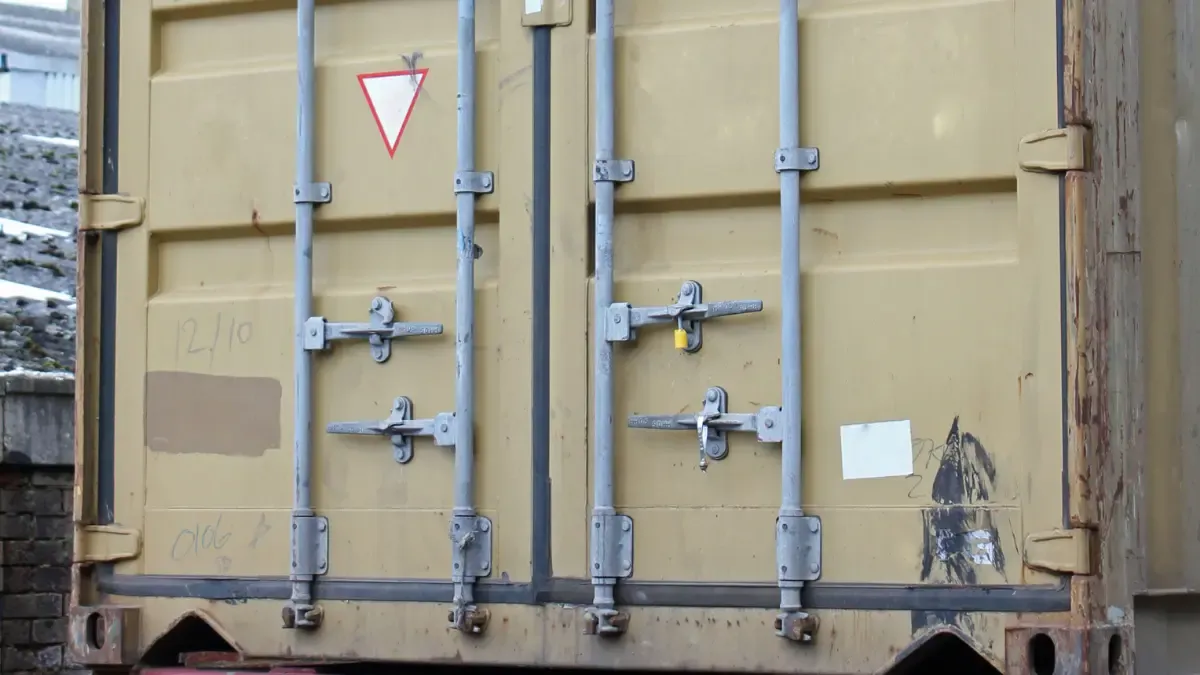
Unlike a shed or a makeshift storage area, shipping and storage containers are built from heavy-gauge steel, designed originally to survive ocean freight conditions - meaning they're inherently resistant to forced entry compared to lighter storage structures. There are no windows, limited entry points, and the doors themselves are built with reinforced hinges and locking bars that make prying them open significantly harder than a standard door or garage.
That said, "hard to break into" isn't the same as "impossible to break into." The lock, the site setup, and a few basic habits make the real difference between a container that deters theft and one that just looks secure.
Locks: The First and Most Important Layer
The container itself provides the structure, but the lock determines how well that structure actually protects what's inside. A few options are worth understanding:
- Puck locks (disc locks) are widely considered one of the most effective options for shipping containers, since their rounded, low-profile shape makes them extremely difficult to cut or pry compared to a standard padlock.
- Standard padlocks, while common, are more vulnerable to bolt cutters and should generally be paired with a lock box or protective housing if used.
- Lock boxes cover the padlock itself, preventing bolt cutters or pry tools from getting enough access to cut through it.
- Container-specific locking bar systems add an extra layer by securing the door mechanism itself, not just a padlock hanging on the outside.
For anything valuable, it's worth asking your rental provider what locking hardware is included and whether upgrading to a puck lock or lock box is available, since this single decision affects security more than almost anything else.
Site Placement Matters as Much as the Lock
Where a container sits on your property changes its risk profile significantly. A container tucked into a well-lit, visible area near regular foot traffic is naturally less appealing to anyone considering unauthorized access than one sitting in a dark, secluded corner of a lot. When positioning a rented container, it helps to consider:
- Visibility — containers near entrances, security cameras, or well-traveled areas see far less tampering than isolated placements
- Lighting — adequate lighting at night is one of the simplest, most effective deterrents available
- Door orientation — positioning the container so its doors face a wall, fence, or another structure makes them physically harder to access
- Proximity to existing security — placing containers within range of existing security cameras or alarm systems extends that protection to the container itself
Do Storage Containers Come With Alarms?
This depends entirely on the rental provider and the specific unit. Basic containers typically don't include built-in alarm systems, but some providers offer upgraded units with:
- Motion-activated alarms triggered by door movement
- GPS tracking for the container itself, useful for both security and simply confirming placement
- Compatibility with third-party security systems, such as portable cameras or motion sensors positioned near the unit
If alarm capability matters for what you're storing, it's worth confirming upfront whether it's available as an add-on rather than assuming every container includes it by default.
Practical Security Habits That Make a Real Difference
Beyond the container and lock itself, a few habits meaningfully reduce risk over time. Contractors and businesses managing job site storage benefit from keeping expensive tools and equipment inside secure storage whenever possible, maintaining an organized inventory of what's stored, limiting access to authorized personnel only, and checking on stored items regularly rather than assuming everything remains untouched between visits.
These practices matter just as much for retail overflow inventory or general business storage as they do for construction materials - a well-organized, access-controlled container is simply harder to exploit than one nobody's paying close attention to.
Weather Resistance and Security Go Hand in Hand
Security isn't only about theft - a container that isn't weatherproof can expose contents to damage that feels just as costly as an actual break-in. Quality rental containers are built to be weather-resistant and lockable, which protects goods from both unauthorized access and the elements simultaneously. For businesses storing sensitive or valuable inventory, it's worth confirming the container's condition and seal quality before placement, not just its locking mechanism.
Choosing the Right Container Type for What You're Storing
Security needs vary depending on what's inside. Retailers managing seasonal inventory might prioritize basic lock security and visibility, while contractors storing expensive tools and equipment on an active job site often need a combination of strong locking hardware, controlled access, and regular inventory checks to keep materials protected throughout a project.
Final Thoughts
How secure are rented storage containers really comes down to three layers working together: the container's inherent steel construction, the quality of the lock protecting the doors, and the habits and placement decisions made once it's on-site. A container with a weak padlock in a dark, hidden corner is a very different security situation than the same container with a puck lock, good lighting, and regular inventory checks. Before renting, it's worth asking your provider directly about locking hardware, alarm options, and any additional security features available, so the container you receive actually matches the level of protection your inventory or equipment needs.
Frequently Asked Questions
1. What's the most secure type of lock for a storage container?
Puck locks (disc locks) are generally considered the most effective option, since their design makes them significantly harder to cut or pry compared to standard padlocks.
2. Do rented storage containers come with alarms included?
Not always. Basic units typically don't include alarms, but many providers offer upgraded containers with motion sensors or GPS tracking as an add-on option.
3. Does where I place the container on my property affect its security?
Yes, significantly. Well-lit, visible locations near regular activity are much harder targets than isolated or poorly lit areas.
4. Are storage containers waterproof as well as secure?
Quality rental containers are typically both weather-resistant and lockable, protecting contents from theft and from exposure to rain, snow, or humidity.
5. How often should I check on items stored in a rented container?
Regular checks, ideally on a consistent schedule, help catch any tampering, damage, or organizational issues early rather than discovering a problem after significant time has passed.