
How Long Can You Rent a Storage Container? Short-Term vs. Long-Term Options
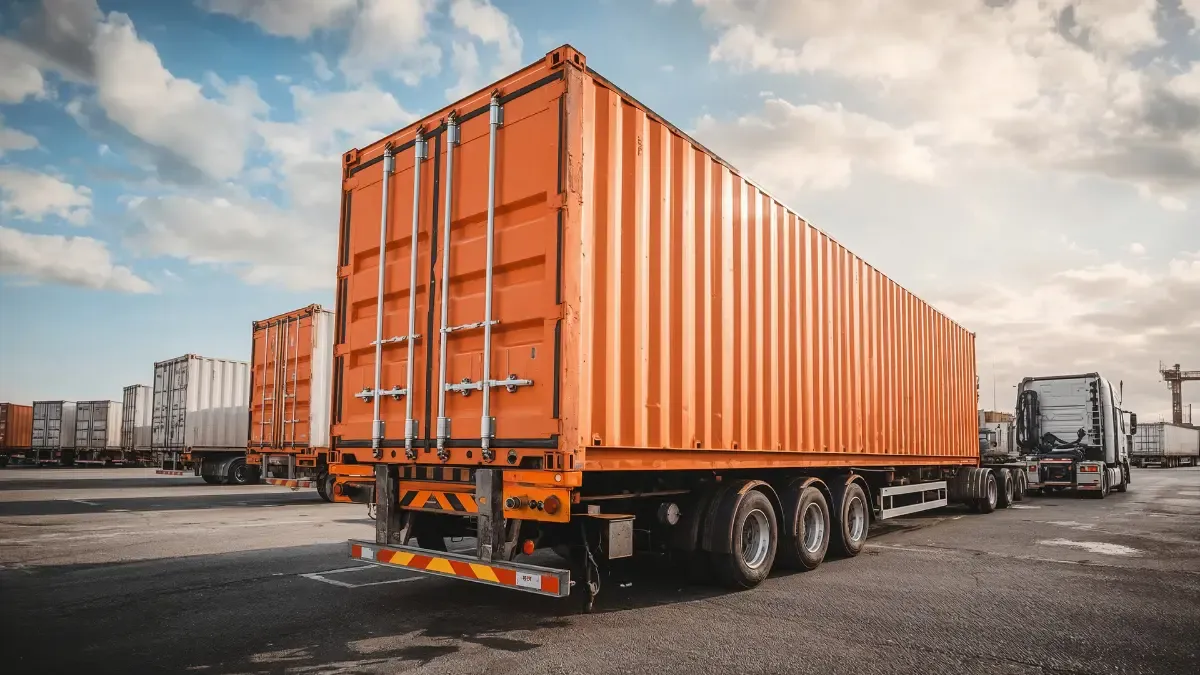
One of the first things people ask when they call about a storage container is some version of the same question: how long can I actually keep this for? It's a fair thing to wonder, because unlike renting an apartment or leasing office space, storage container rentals don't come with one standard term everyone defaults to. How long can you rent a storage container really depends on what you're storing, why, and for how long the need actually lasts — and the good news is most providers, including RTM Trucking, build their rental terms around exactly that kind of flexibility.
Here's how short-term and long-term rentals actually differ, and how to figure out which one fits your situation.
There's No Single Standard Rental Length
Unlike a car lease or a typical office lease, storage container rentals don't come locked into one fixed term across the board. Some businesses need a container for five days. Others need one parked on their lot for two years straight. A good rental provider builds around that range rather than forcing everyone into the same box — literally and figuratively.
Most providers structure things around two general categories: short-term rentals for a defined, limited window, and long-term rentals for ongoing or indefinite storage needs. Where the line falls between the two varies by company, but it's usually somewhere around a few weeks to a month.
What Counts as Short-Term Storage
Short-term rentals typically cover anything from a few days up to a couple of months. This is the option most people reach for when there's a clear end date already in mind — a home renovation, a move, a seasonal inventory spike, or a construction project with a defined timeline.
A few situations where short-term makes sense:
- A renovation or remodel, where furniture or belongings need somewhere to go while work is being done
- A move, especially one with a gap between move-out and move-in dates
- Seasonal retail overflow, like holiday inventory that only needs a home for a month or two
- A short construction phase, where tools and materials are only needed on-site for a defined stretch of the project
The appeal here is pretty straightforward — you're not paying for space you don't need, and you're not locked into anything beyond what the actual situation calls for.
What Counts as Long-Term Storage
Long-term rentals stretch beyond a couple of months, sometimes running a full year or longer. This tends to fit situations where the storage need isn't really going away anytime soon, or where it's more of an ongoing operational thing than a one-time event.
Common long-term use cases include:
- Construction projects that run for many months, where equipment and materials need secure, on-site storage for the duration
- Businesses without enough warehouse space, using a container as a standing overflow solution rather than a temporary fix
- Retailers managing recurring seasonal cycles, who find it simpler to keep a container year-round instead of arranging new rentals every few months
- Document or archival storage, where records need to sit somewhere secure for an extended, sometimes indefinite, period
Long-term rentals often come with better per-month pricing than repeatedly renting short-term, since the provider isn't picking up and redelivering the unit as often.
Why Flexibility Matters More Than the Label
Honestly, the "short-term vs. long-term" framing matters less than whether your provider can actually adjust as your situation changes. Trailer and container rentals are meant to flex with a project's changing needs, not box a business into a rigid commitment. A construction project that was supposed to wrap in three months but runs six shouldn't mean starting the whole rental process over from scratch — a decent provider just extends the term.
This flexibility tends to come with a few practical perks:
- Lower upfront costs compared to a permanent storage solution
- No long-term capital investment required
- Easy scaling if storage needs grow or shrink mid-project
- Straightforward pickup once the container is no longer needed, without penalty for wrapping up early
How to Decide Which Option Fits Your Situation
A few questions tend to make the decision pretty clear:
- Do you have a firm end date? If yes, short-term almost always makes more sense.
- Is this an ongoing operational need, not a one-time event? That points toward long-term.
- Could your timeline shift? If there's real uncertainty, look for a provider that lets you extend without hassle rather than committing to a rigid term either way.
- Are you storing something temperature-sensitive? This can affect availability and pricing regardless of rental length, so it's worth confirming temperature-controlled options are available if needed.
Don't Assume Pricing Scales the Same Way Every Time
It's worth asking directly rather than assuming — long-term rentals often come with a lower effective monthly rate, but that's not universal across every provider. Some price short bursts at a premium and long stretches at a discount; others keep things flat regardless of duration. Getting a clear quote for your actual expected timeline, rather than comparing generic "short-term" and "long-term" rates, avoids surprises later.
Final Thoughts
How long can you rent a storage container for really comes down to matching the rental term to your actual timeline, not picking whichever option sounds more common. Short-term works well for anything with a clear end date — a move, a renovation, a seasonal spike. Long-term fits better when storage is more of an ongoing need than a one-off event. Either way, the real value comes from working with a provider who treats the term as flexible rather than fixed, since plans change more often than people expect, and the best rental setup is one that can shift along with yours.
Frequently Asked Questions
1. What's considered a short-term storage container rental?
Generally anything from a few days up to a couple of months, though the exact cutoff varies by provider.
2. Can I extend a short-term rental if my timeline changes?
In most cases, yes. A good provider will let you extend rather than forcing you to end the rental and start a new agreement.
3. Is long-term storage container rental cheaper per month than short-term?
Often, but not always — it depends on the provider's pricing structure, so it's worth getting a specific quote rather than assuming.
4. Do I need a different type of container for long-term versus short-term storage?
Not necessarily, though temperature-sensitive inventory may require a specific climate-controlled option regardless of how long you're renting.
5. What happens if I no longer need the container before my rental term ends?
Most providers will schedule pickup once you're done, though it's worth confirming ahead of time whether ending early comes with any fees.